Why Ghana’s Cocoa Deserves a New Conversation
7 of Aug 2026Mention Ghanaian cocoa, and most chocolate makers know what to expect. Consistency. Reliability. Deep chocolate notes with hints of nuts and fruits. A familiar richness that has made Ghana one of the world’s most trusted origins. That reputation is well deserved, built over decades by skilled farmers and a government led industry.
-
Three Mountains Cocoa was founded on a simple curiosity: what else can Ghanaian cocoa become? Investing in long-term relationships with farmers, farming with organic practices, and exploring the diversity of Ghanaian beans. Rather than chasing a single flavour profile, we want to uncover the full character of Ghanaian cocoa and let it speak for itself.
The global cocoa market is beginning to look for exactly these qualities. More and more chocolate makers are searching for cocoa with a clear sense of origin. They want to know who grew it, how it was produced and what makes one harvest different from the next. Traceability, transparency and flavour are becoming part of what defines exceptional cocoa. Ghana has always had that depth. The opportunity now is to reveal it more fully.For decades, Ghana has been recognised as one of the world’s leading producers of high-quality bulk cocoa. Yet being known for consistency has often overshadowed something equally important: the country’s incredible range of flavours and growing conditions. Ghana does not need to reinvent its cocoa.
It simply has the chance to reveal more of what has always been there and create greater value for the farmers who make exceptional cocoa possible.
-
That conversation has become increasingly urgent. Across Ghana, farmers are already feeling the effects of changing rainfall patterns, ageing cocoa trees and diseases that threaten each harvest. These pressures are reflected in declining cocoa production and remind us that the future cannot be measured by volume alone. As yields become less predictable, creating more value from every bean becomes more important than ever.
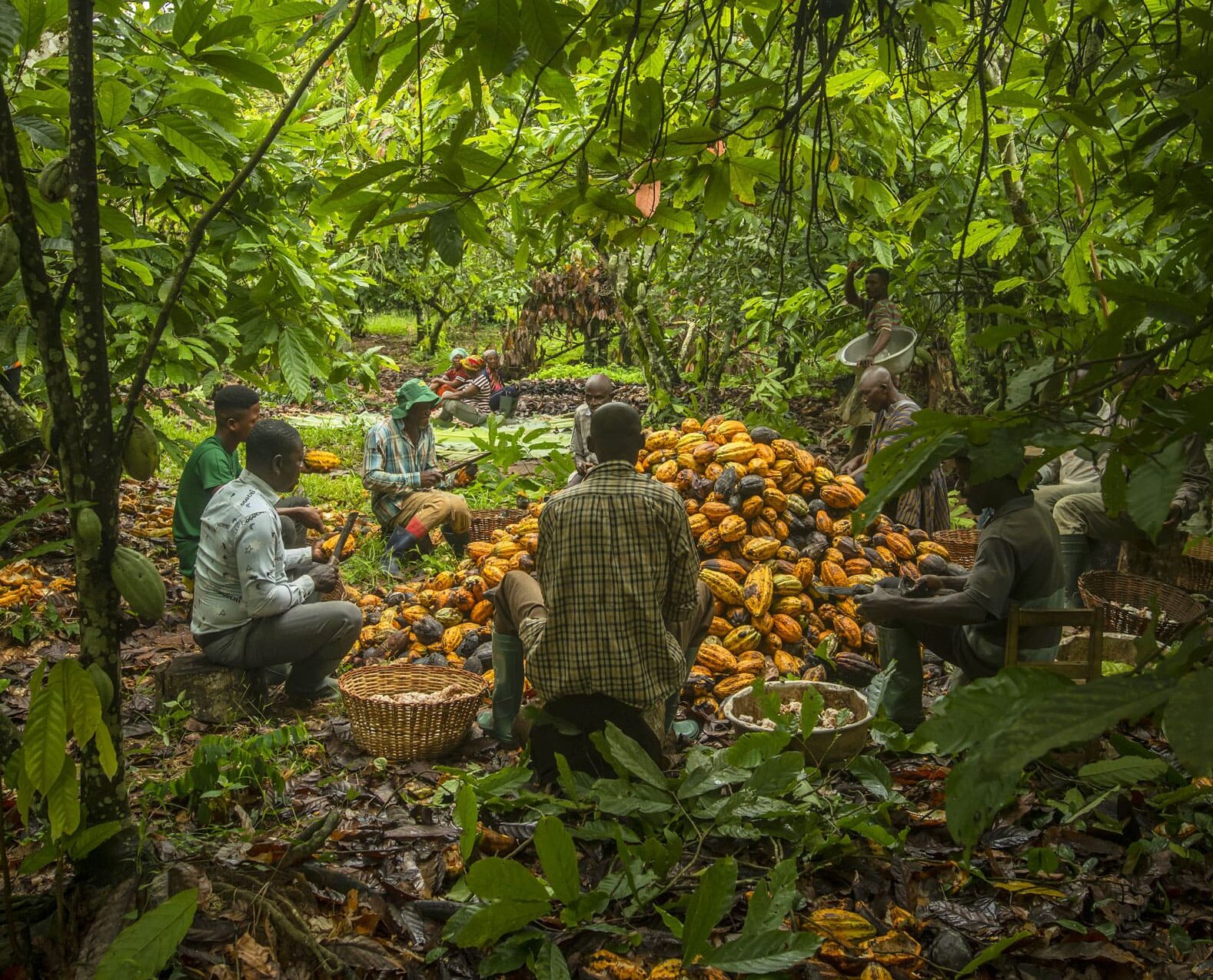
Healthy soils, careful fermentation, transparent sourcing and long-term partnerships all contribute to cocoa that chocolate makers can trust and consumers can genuinely connect with. At the heart of all of this are Ghana’s smallholder farmers. Many have cared for the same land for generations. They know how a season changes the harvest, how a fermentation shifts over a few hours, and how a well-timed drying can preserve brightness in the bean. Their knowledge is one of Ghana’s greatest strengths, yet it is often the least visible part of the chocolate supply chain.
-
When farmers are rewarded for quality rather than volume alone, they gain the confidence to invest back into their farms. Ageing trees can be replaced. Fermentation can become more consistent. Healthy soils receive the attention they deserve. Over time, those investments are reflected in every harvest, creating stronger livelihoods for farming families and a more reliable supply of exceptional cocoa.
Organic farming has an important role to play in that future. It is often discussed as a certification, but on the farm it is something much more practical. Combined with strong agricultural practices, organic production can improve soil health, encourage biodiversity and reduce pressure from pests and diseases. At a time when demand for organic cocoa continues to outpace global supply, Ghana is well placed to become a leading origin for organic, traceable cocoa with exceptional flavour.
-
Recognition at international competitions such as the Cocoa of Excellence Awards has shown that origins once known primarily for volume can also stand out for extraordinary flavour. Ghana has every reason to be part of that conversation, not by imitating other origins, but by celebrating the flavours that belong to its own landscapes and farming communities.
Ghana has never lacked exceptional cocoa. What has been missing is broader recognition of its full character. By continuing to invest in flavour, transparency, organic farming and the people behind every harvest, Ghana can build a cocoa sector that is more resilient, more valuable and more deeply connected to the world’s most thoughtful chocolate makers.